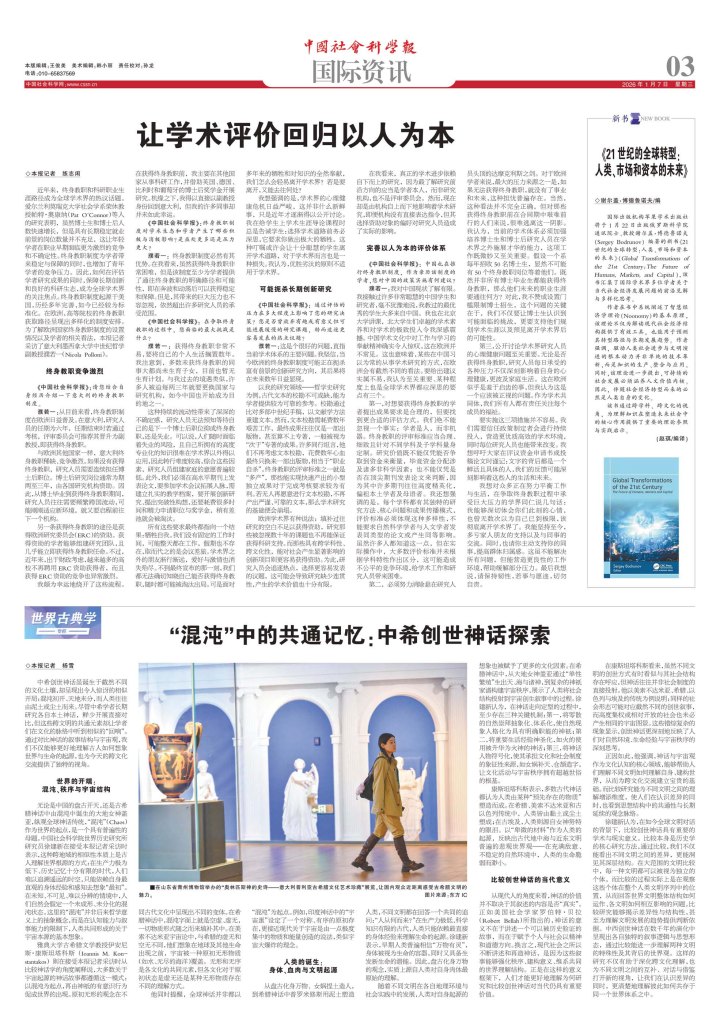
Competition, precarity, and academic work

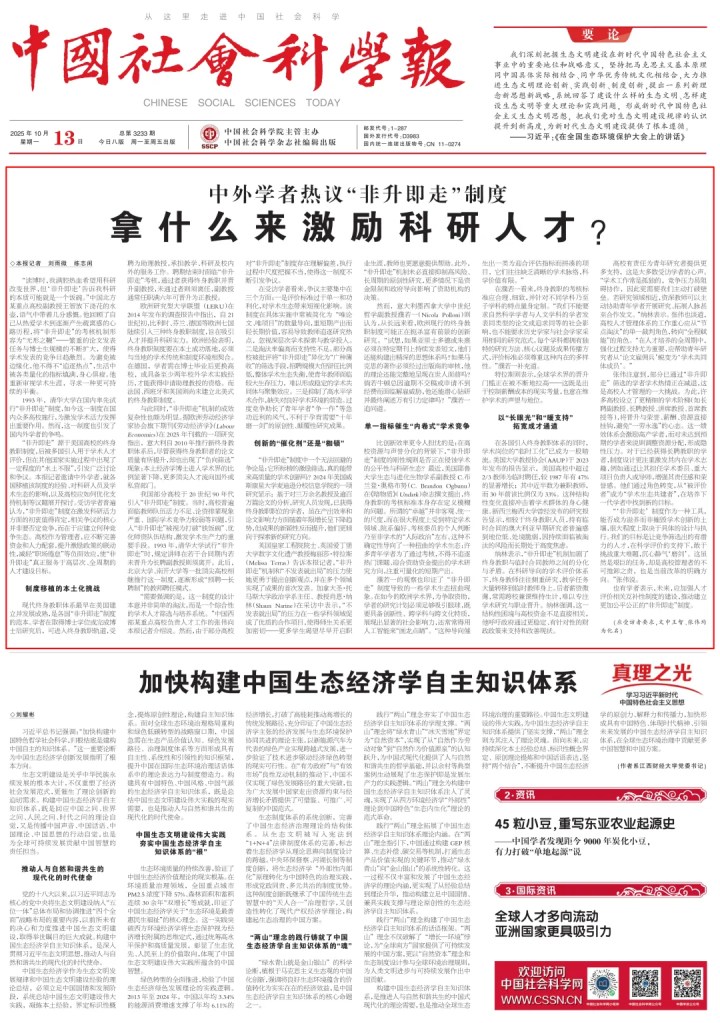

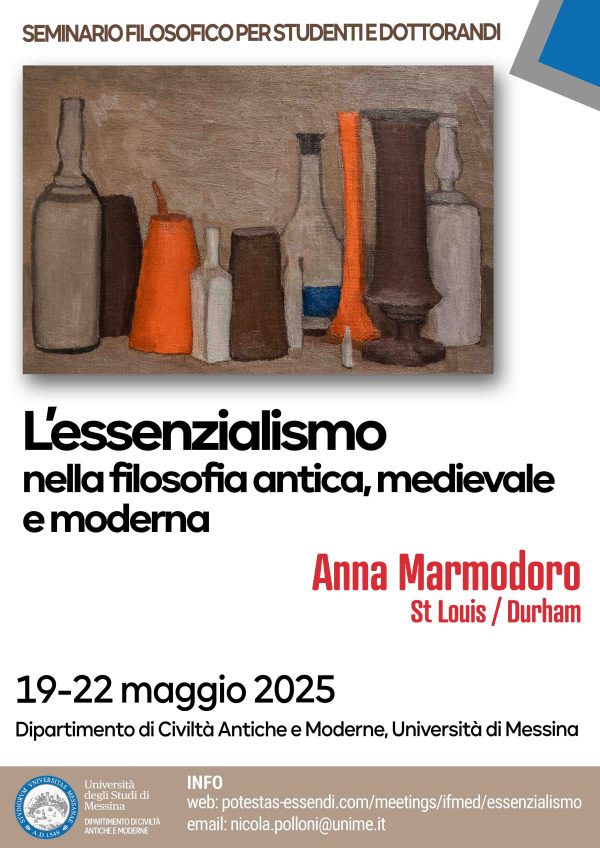

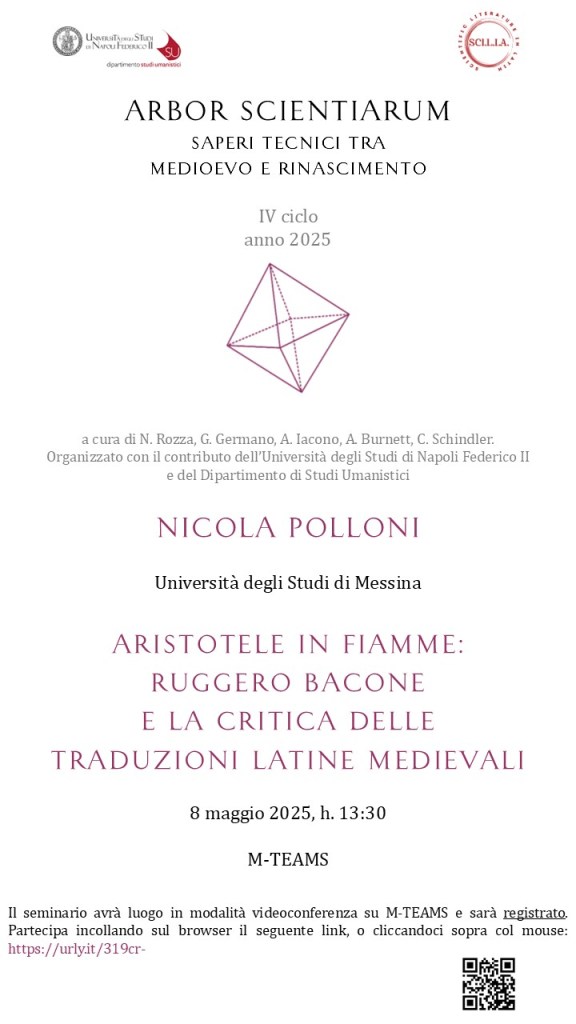
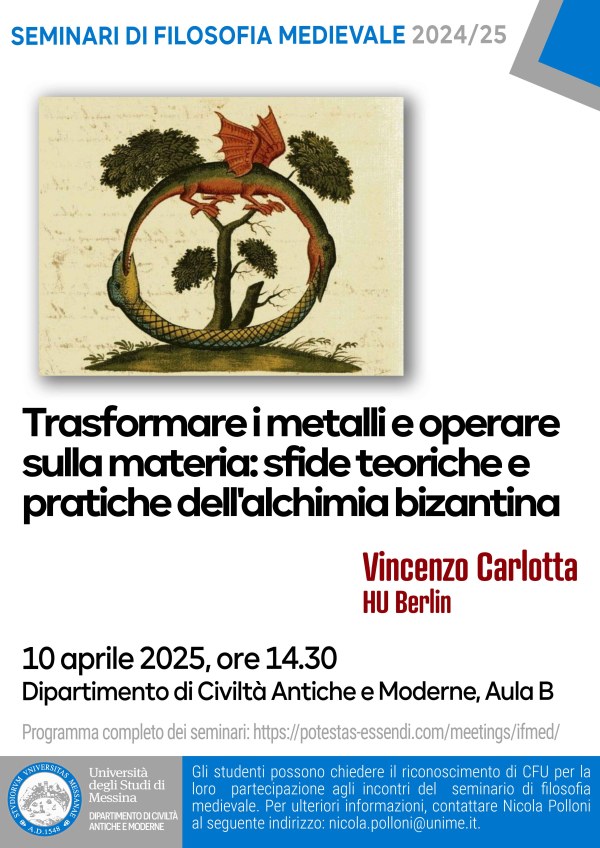
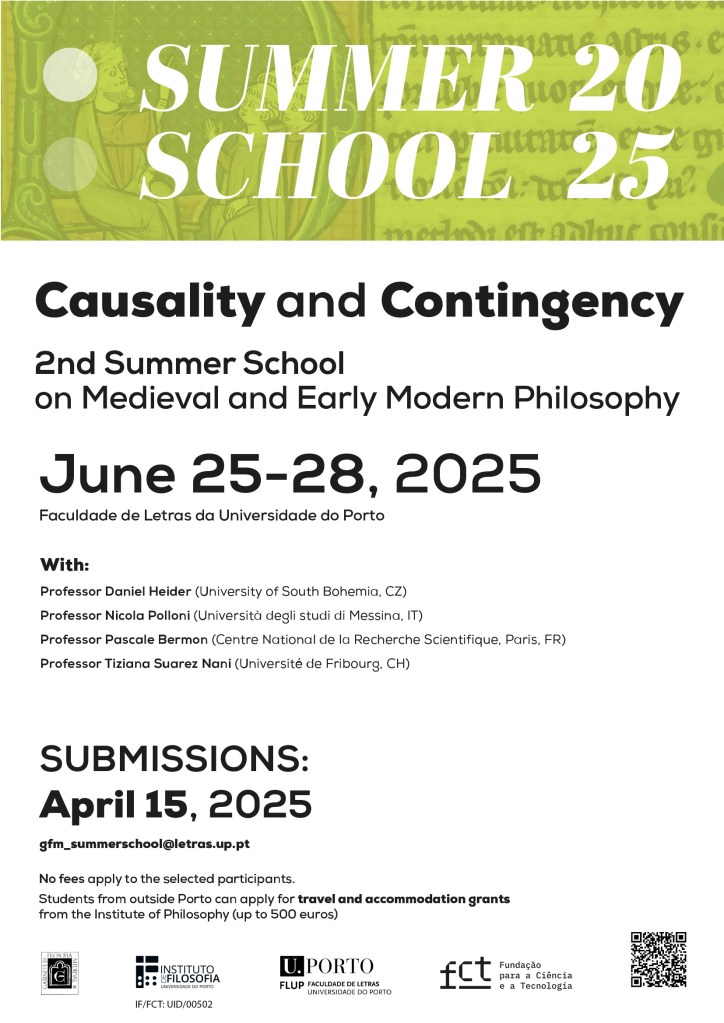



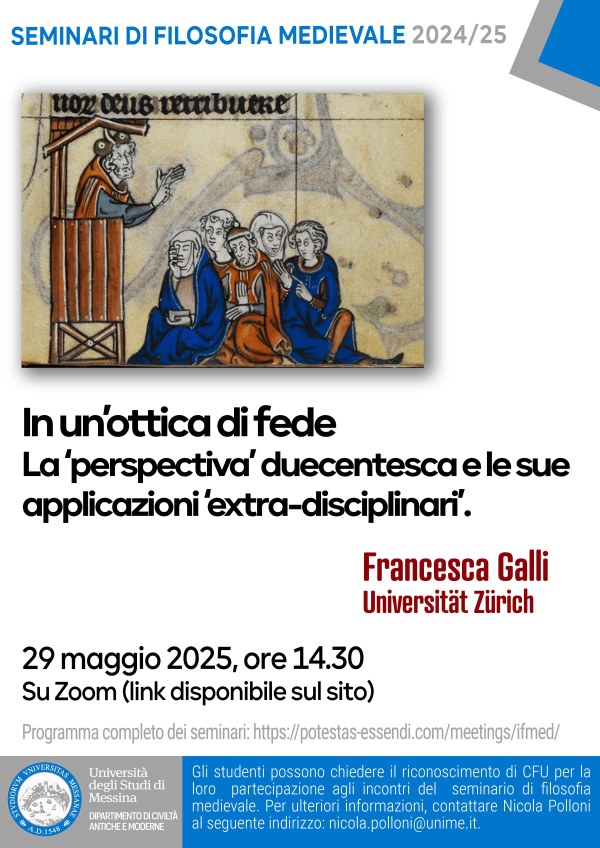
More Info: https://potestas-essendi.com/meetings/ifmed/


Call for Papers: https://potestas-essendi.com/knowledge-hub/calls/


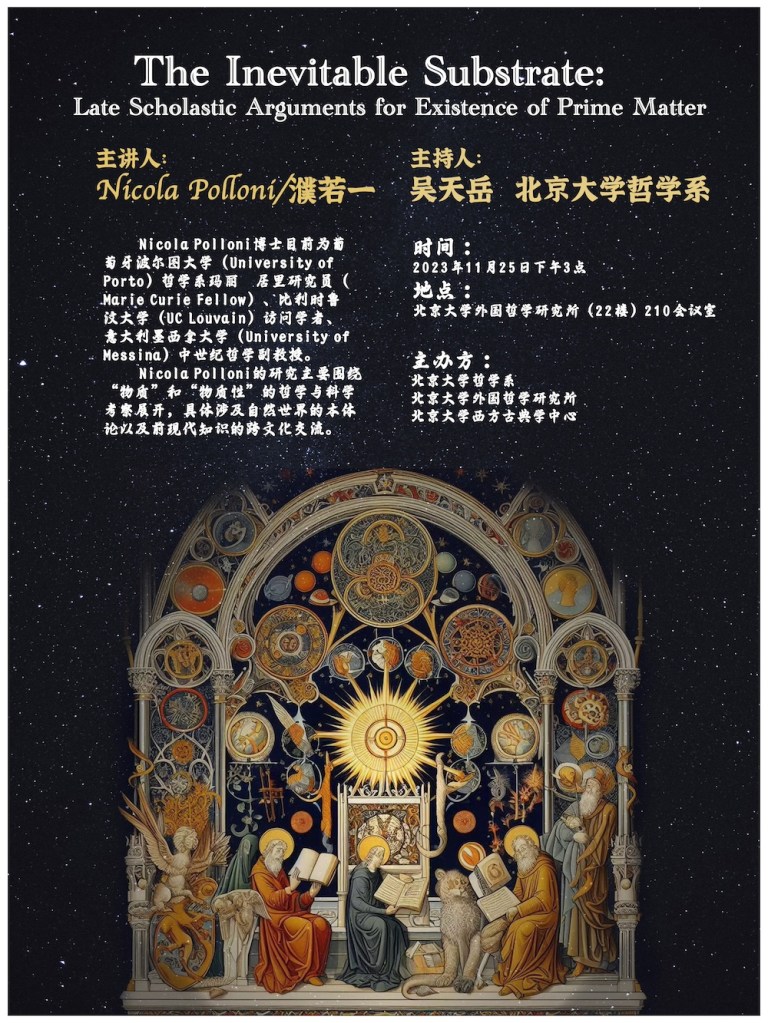
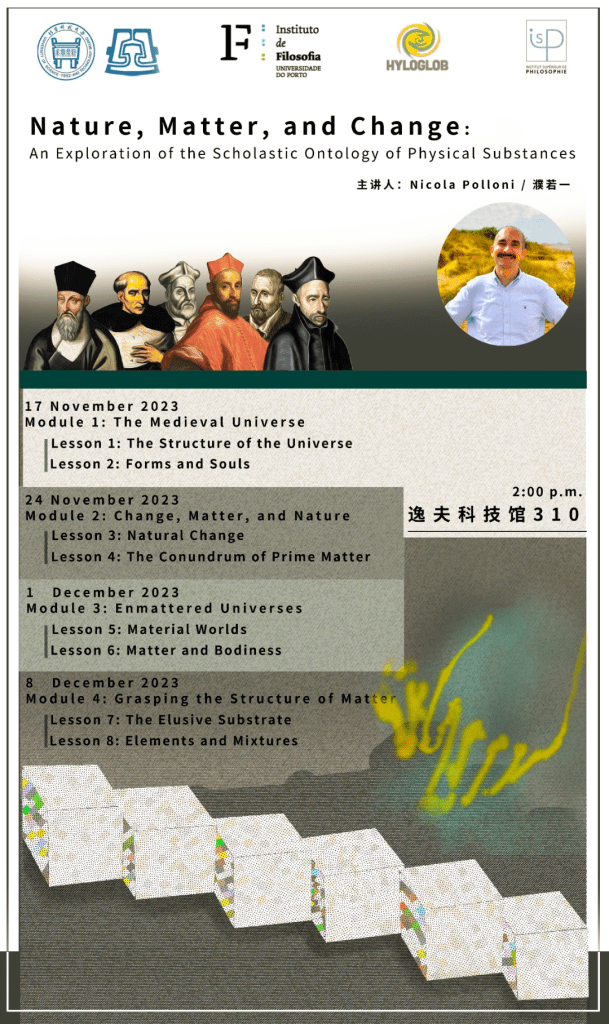
Here’s the splendid poster of the course on scholastic hylomorphism that I am going to teach at USTB in Beijing. The course is going to start on 17 November!
I have just uploaded to YouTube the first video of a new series that I have been willing to start since last year, titled “Research Highlights Made Easy”. Its first video is dedicated to a chapter on Roger Bacon’s criticism of medieval translations that I have published in a volume edited by Lydia Schumacher (exact reference is given in the video).
The series will include short videos in which I explain the main points of my recent publications and papers in a way understandable and relatable to a non-specialised audience. As you know, I believe that outreach is a fundamental part of our work although also one of the most neglected, I will do my best to make new videos for all my main papers – at least those who can speak to a different audience which happens to be the “real world” out there.
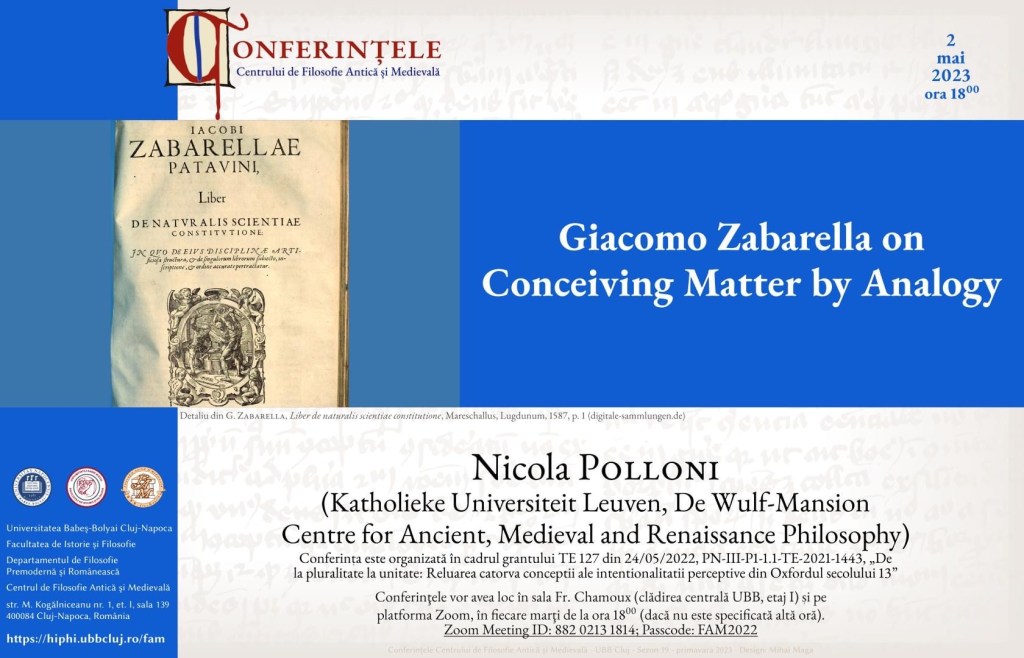
Elena Baltuta kindly invited me to give a lecture at the Babeș-Bolyai University of Cluj. It is going to be my first trip to Romania and I could not be more excited. Moreover, I am going discuss an author that is relatively new to me, Giacomo Zabarella (even though I am going to analyse an issue that I know fairly well: the conceivability problem about prime matter). Much fun ahead!
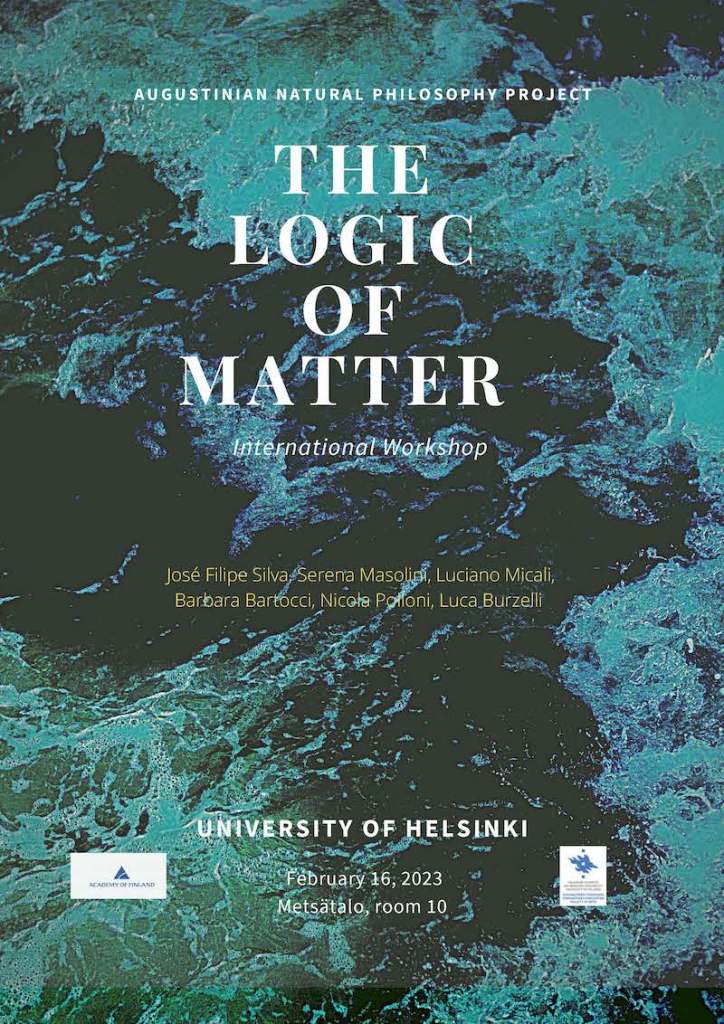
This 2023 promises to be wild: it’s almost May already and the past months have run away like if they were weeks. The long trip to Israel in January, the brief (yet outstanding) visit to Helsinki in February, and the preparations for a crazy spring of conferences around Europe made it impossible for me to take care of Potestas Essendi and even share some good news. Indeed, I got some awesome news that definitely need to be shared (and duly celebrated, too).
On 13 February, I was informed that I had been awarded a Marie Skłodowska-Curie Fellowship in Porto! News of this caught me by surprise (with European application you never know) and disrupted all my plans, yet in a delightful way. I will be moving to Porto in the autumn to join the splendid Institute of Philosophy at FLUP.
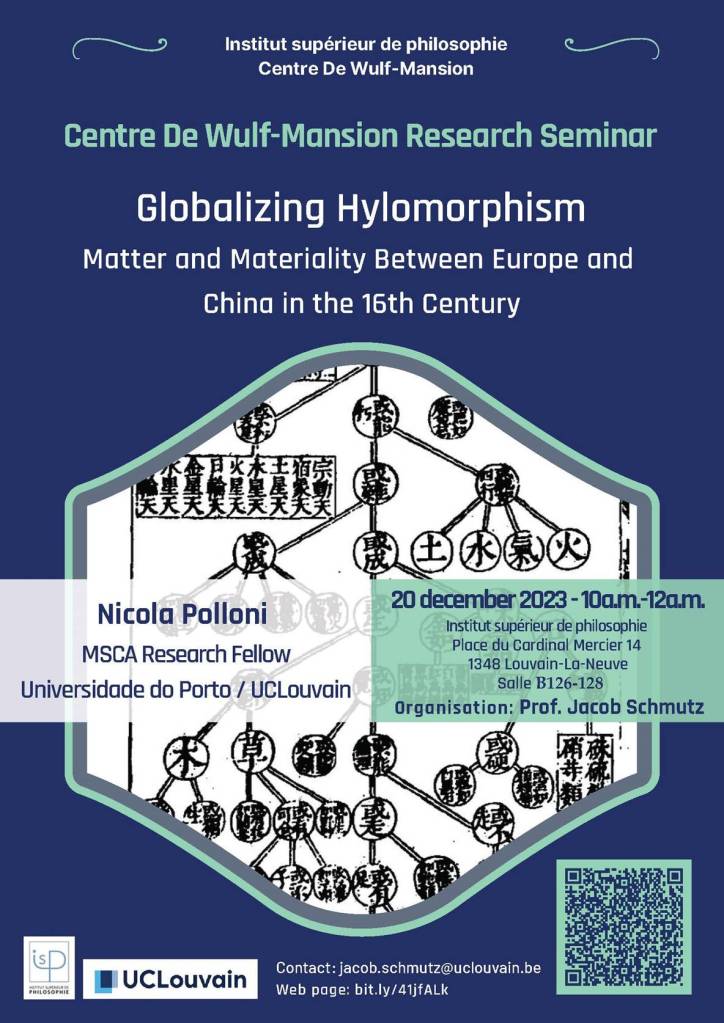
The project is titled Hylomorphism in a Globalising World: Scholastic Debates on the Ontology of Nature Across Europe, China, and New Spain. It also comes with a nice acronym: HYLOGLOB. Implementing it will be a lot of fun and I am so excited to finally focus all my attention (or most of it) on second scholasticism and comparative ontology. There will be many challenges, both practical and theoretical: I am very well aware of this but I do love challenges and this makes me even more excited. You can find more details about HYLOGLOB on the project webpage that I have created.
Let me express my most sincere gratitude to José Meirinhos for having supported this project, and to Jacob Schmutz and Thierry Meynard for the huge help they gave me during the elaboration project (and also for having accepted to host me during HYLOGLOB’s two secondments in Louvain-la-Neuve and Guangzhou).
Given the tight schedule of the project implementation, I have already started to plan some of the events for 2023 and 2024. More details will be available soon.



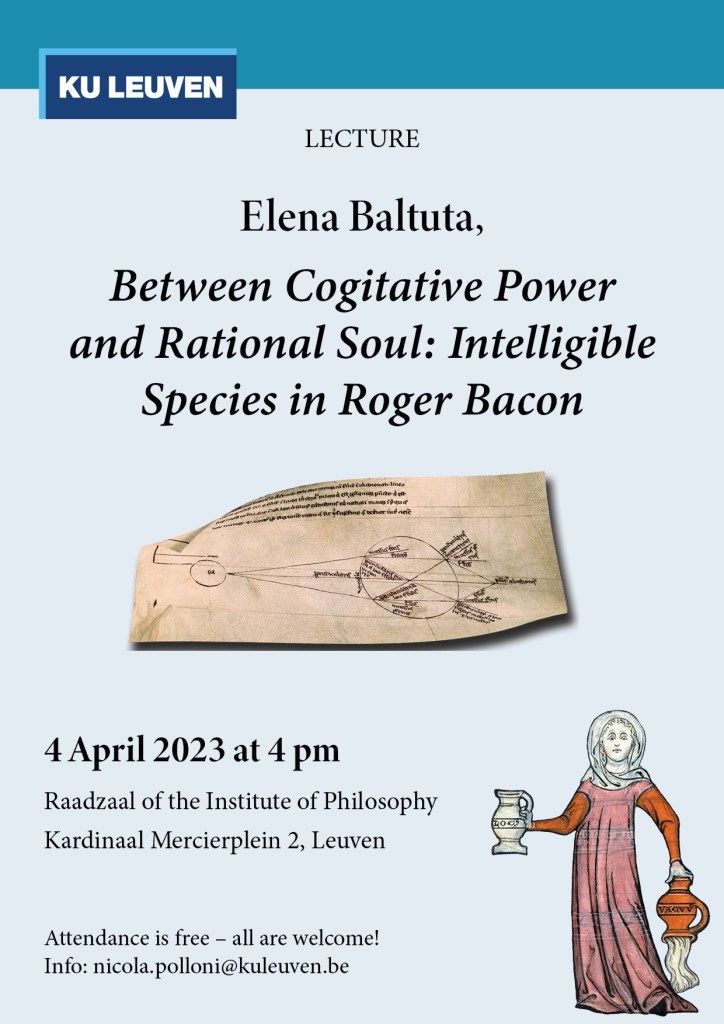
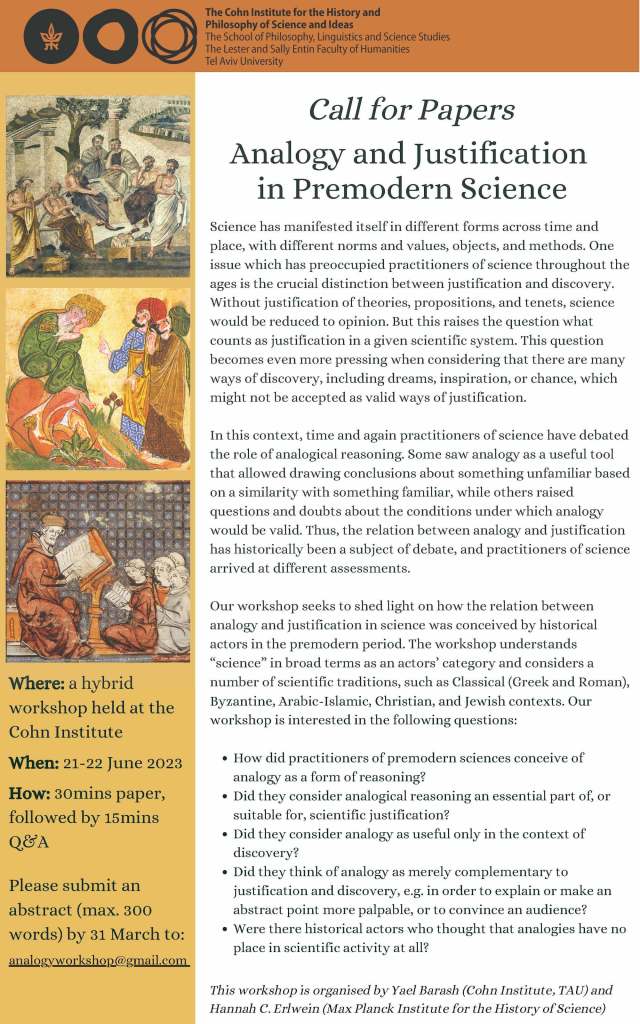
Can’t wait to go to Romania (even better: Transylvania!) in May!!


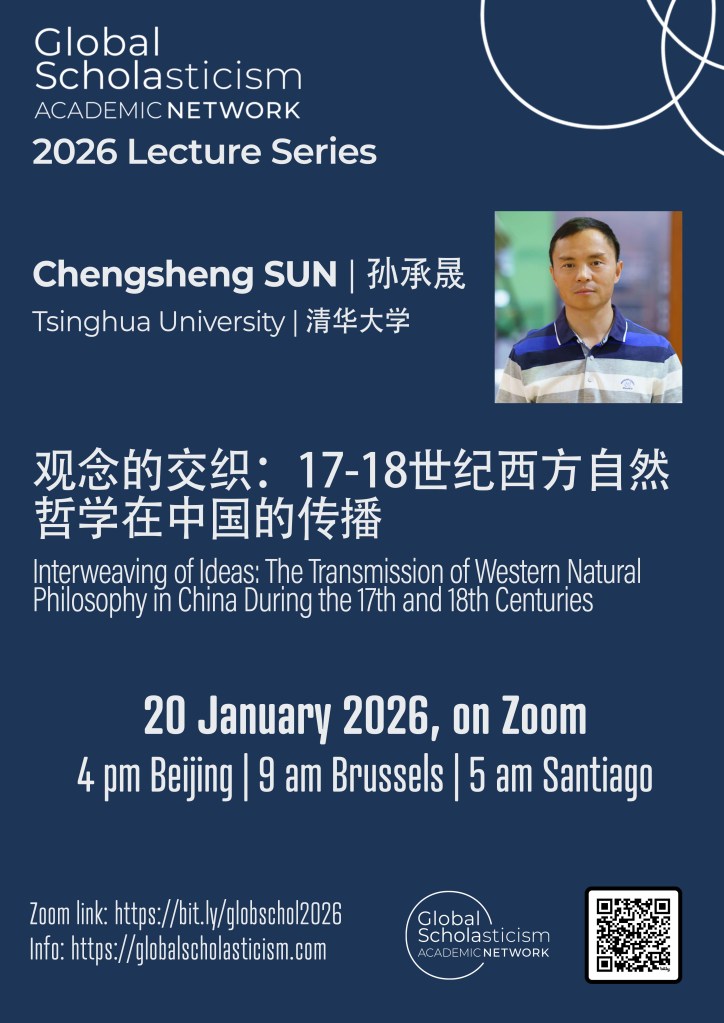
4 pm (Brussels) | noon (Santiago del Chile)
Sylvain Roudaut, Pedro da Fonseca’s Theory of Modes: Its Sources and Influence
Mário João Correia, Pedro Luis (1538-1602): A Forgotten Advocate of scientia media
Simone Guidi, The Angelic Knowledge of the Future Singulars: Suárez and Poinsot

4 pm (Brussels) | noon (Santiago del Chile)
Jacob Schmutz, Seeing Clearly in a Confused Environment: Carmelite Philosophers in the Amazonian Forest
Guido Alt, Logical Form and Consequence: John Mair and Domingo de Soto
Miroslav Hanke, Termini naturales and Libelli sophistarum. British Physics Textbooks from around 1500

4 pm (Brussels) | 11 am (Santiago del Chile)
Manuel Lázaro Pulido, Las razones del compartir. Fundamentos teológicos y filosóficos de la transmisión de conocimiento de los franciscanos a América
Carlos Arturo Arias, Dictados sobre la justicia y el derecho: aulas y manuscritos neogranadinos
Milko Pretell García, Logica Scholastica Barroca Peruviana: La recepción de la lógica y su desarrollo en la Academia limensis

Call for Abstracts
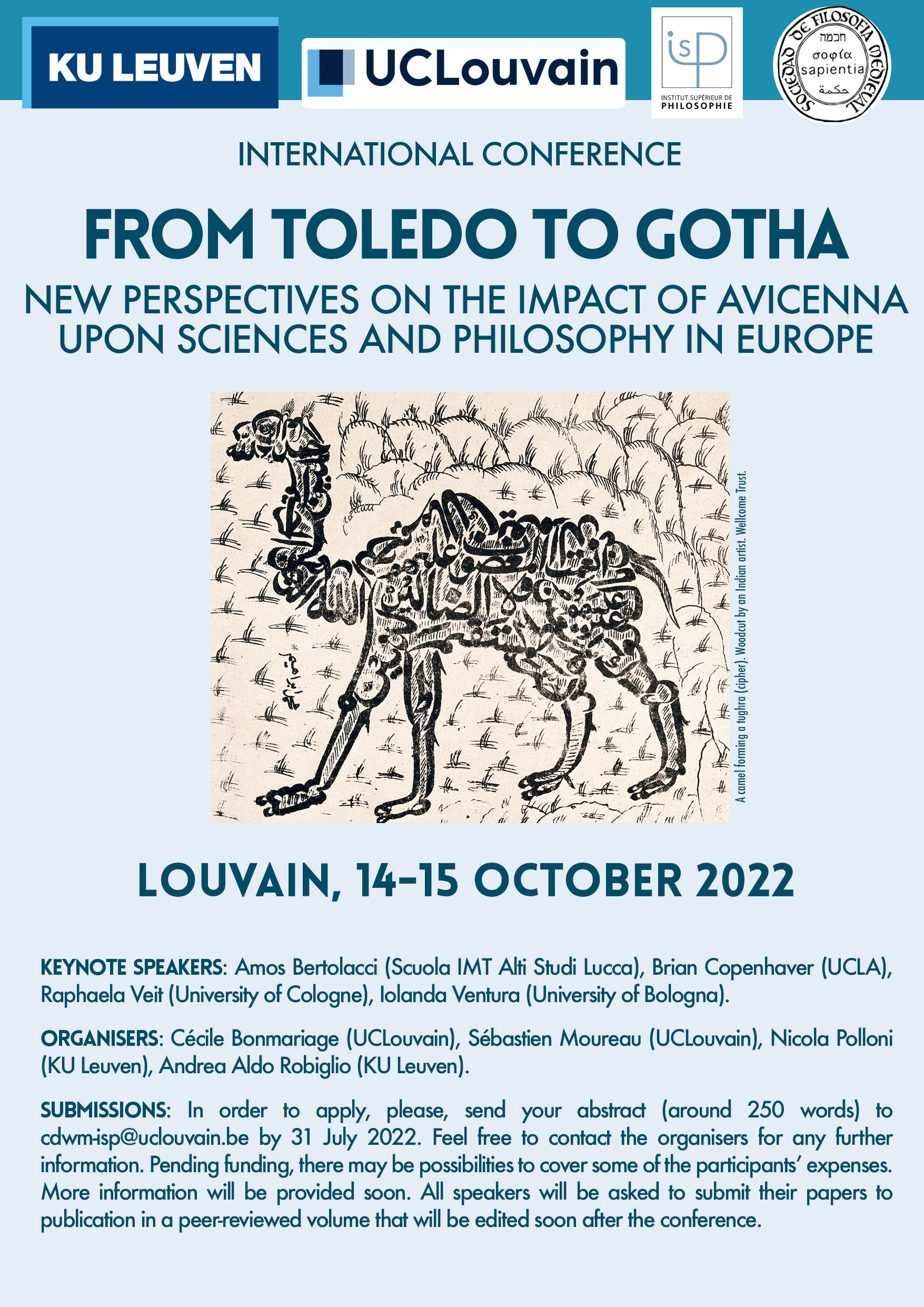
From Toledo to Gotha: New Perspectives on the Impact of Avicenna upon Sciences and Philosophy in Europe
Louvain, 14-15 October 2022
Avicenna’s contributions have been pivotal for the development of knowledge in pre-modern Europe. Since the 12th century, his philosophical works had been made available in Latin and used to investigate metaphysical and natural problems, better understand Aristotle’s sometimes obscure doctrines, assimilate the reflections of thinkers like Alexander of Aphrodisias, but also to train generations of physicians to treat illnesses and grasp the fundamentals of embryology and the fabric of the human body. By focusing on the multilayered transfer of Avicenna’s theories to the Latin West, from the times of Domenicus Gundisalvi to the Europe of Gottfried Wilhelm Leibniz and of the newly founded Academies of Sciences, From Toledo to Gotha aims to gather some of the most innovative researchers working on aspects of the “Avicenna Latinus”. What is the nature and precise extent of Avicenna’s impact on European thought? Is it possible to isolate a specific Latin “brand” of Ibn Sina’s thought distinct from and defined against its original, “Arabic” contents and system? Is it accurate to consider that – as it has been commonly written – the main Islamicate authority in Europe was Averroes instead of Avicenna? How deep Renaissance Avicennism reshaped the Platonic and Aristotelian legacies? Which are the characteristic features of the material transmission, translation, circulation, and reading of Avicenna’s (and Ps-Avicenna’s) writings throughout Europe on the eve of the Scientific Revolution?
A joint collaboration among KU Leuven, UCLouvain, and SOFIME, the conference will foster a general re-setting of the debate on the “Avicenna Latinus”, shedding light on some obscure aspects of his influence on European philosophy through an organic, longue-durée and inter-linguistic approach to his philosophical production. Avicenna’s role in the constitution of European philosophy and science will be examined by discussing a series of intertwined questions touching upon a plurality of domains and aspects, from the material production and circulation of the Latin translations of Avicenna’s works to the impact of the latter on philosophical doctrines and medical practices developed in Europe.
Keynote speakers
Brian Copenhaver (UCLA), Amos Bertolacci (Scuola IMT Alti Studi Lucca), Iolanda Ventura (University of Bologna), Raphaela Veit (University of Cologne).
Organisers
Cécile Bonmariage (UCLouvain), Sébastien Moureau (UCLouvain), Nicola Polloni (KU Leuven), Andrea Aldo Robiglio (KU Leuven).
Sponsoring Institutions
Sociedad de Filosofía Medieval (SOFIME), KU Leuven, UCLouvain, FWO (to be confirmed), FNRS (to be confirmed)
Submissions
In order to apply, please, send your abstract (around 250 words) to the following email address: cdwm-isp@uclouvain.be Feel free to contact the organisers for any further information. Pending funding, there may be possibilities to cover some of the participants’ expenses. More information will be provided soon.
Publication
All speakers will be asked to submit their papers to publication in a peer-reviewed volume that will be edited soon after the conference.


 potestas essendi